
Treating Vein Disease and Lymphedema: A Self-Help Guide
Manage varicose veins, lipedema, lymphedema, and PAD with practical self-help tips for swollen, heavy legs.
On this page
Many people struggle with swollen or heavy legs, and often, a vein condition or lymphedema is the underlying cause. The good news: taking early action can significantly reduce symptoms and improve your quality of life. In this guide, you'll learn practical self-help strategies for managing the most common vein conditions and lymphatic disorders in your daily life.
Key Takeaways
- Varicose veins and spider veins respond well to elevation, compression, movement, and cold water therapy
- Lymphedema requires professional manual lymph drainage alongside daily compression and gentle care
- Lipedema benefits from compression, balanced nutrition, exercise, and peer support
- PAD (peripheral artery disease) demands medical supervision, and compression stockings should be avoided
- Early, consistent action across all conditions leads to the best long-term outcomes
Varicose Veins and Spider Veins
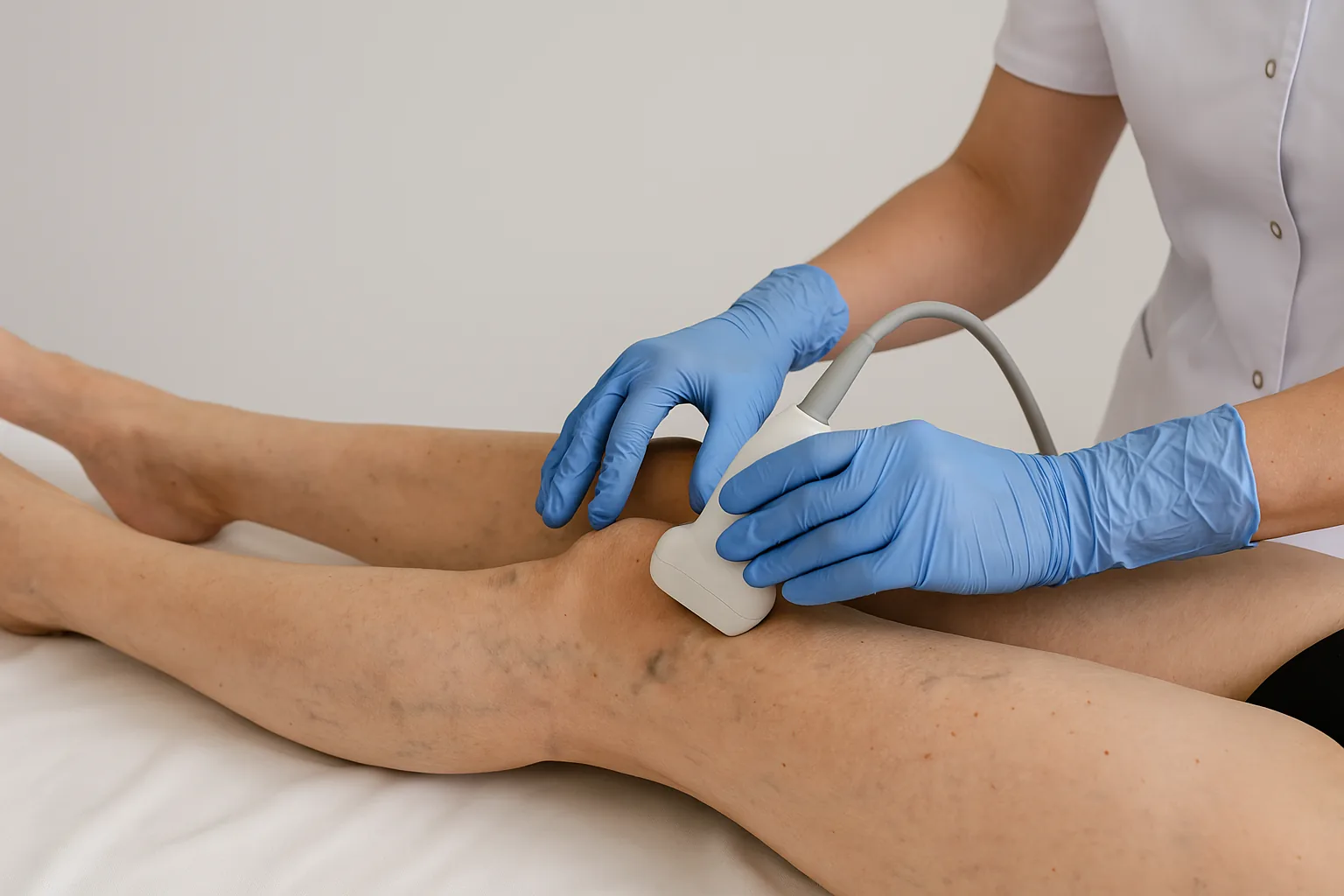
Varicose veins and spider veins commonly develop when vein valves weaken. Blood can no longer flow efficiently back to the heart and begins to pool in the legs.
Self-Help Tips
- Elevate your legs, ideally to heart level
- Build movement into your day, take the stairs, go for walks
- Wear Class 2 compression stockings
- End your shower with a cold water rinse on the legs
- Consider horse chestnut extract as a cream or supplement
Lymphedema
Lymphedema occurs when lymph fluid isn't properly drained from the tissues. The result is chronic swelling, typically in the arms or legs.
Self-Help Tips
- Manual lymph drainage by a trained therapist
- Medically fitted compression garments
- Avoid tight clothing that restricts flow
- Protect the skin from injuries
- Avoid direct sun exposure on affected areas
Lipedema
Lipedema is a chronic fat distribution disorder that primarily affects the legs. It's characterized by pain, pressure sensitivity, and a tendency to bruise easily.
Self-Help Tips
- Wear compression garments consistently
- Focus on balanced nutrition and regular, gentle exercise
- Connect with others who share the condition
- Build confidence in managing the diagnosis
Peripheral Artery Disease (PAD)
Peripheral artery disease is a circulatory disorder affecting the legs. Pain while walking often forces people to stop frequently, which is why it's sometimes called "shop window disease."
Self-Help Tips
- Quit smoking completely
- Seek medical evaluation and maintain close follow-up
- Do not wear compression stockings, they can worsen arterial circulation
The Bottom Line
Managing vein disease and lymphedema doesn't always require complex treatment. Simple, consistent measures, movement, compression, smart clothing choices, and a healthy lifestyle, can make a meaningful difference. The earlier you educate yourself and take action, the better your chances of positively influencing the course of your condition.
Further reading from trusted sources:
- Apotheken Umschau, Varicose veins and treatment
- Deutsche Gesellschaft für Lymphologie, Lymphedema overview
- Deutsche Gesellschaft für Phlebologie, Lipedema overview
- Deutsche Herzstiftung, PAD / shop window disease
Your Next Step
Take the free LEVANA Leg Check™ to get a structured assessment of your symptoms, no diagnosis, no cost, just clarity on whether to have your legs checked by a doctor.
Carefully researched by the LEVANA editorial team, supported by our advisory board for movement, nutrition and leg wellness. Meet the advisory board.