
Nutrition for Healthy Veins: The Best Foods and Nutrients
Which foods strengthen your veins? Discover the key nutrients and dietary strategies for better vein health, backed by science.
On this page
A balanced diet plays a decisive role in keeping your veins healthy and functioning well. In this guide, you'll learn which foods are especially valuable for vein health and how targeted nutrition choices can make a real difference.
Key Takeaways
- Your veins depend on both macronutrients (fats, proteins, carbs) and micronutrients (vitamins, minerals, plant compounds) to stay strong and elastic.
- Omega-3 fatty acids, from fatty fish, algae, and flaxseed oil, strengthen vein cell walls and reduce inflammation.
- Staying well-hydrated and limiting salt intake keeps blood flowing smoothly and prevents fluid retention.
- Antioxidants like vitamins C, E, and D protect blood vessels from oxidative damage that leads to thickening and clotting.
- A whole-foods diet supports healthy weight, better digestion, and improved wound healing, all critical for people with vein conditions.
Why Nutrition Matters for Your Veins
Our bodies contain roughly 80 trillion cells, all requiring constant nutrient supply to keep organs, nerves, and veins functioning properly. These nutrients fall into two categories:
- Macronutrients: Carbohydrates, fats, protein
- Micronutrients: Vitamins, minerals, secondary plant compounds
For your body to fully utilize macronutrients, it needs the support of micronutrients. A balanced combination of both is essential to properly nourish your cells, including the ones that make up your veins.
Whole Foods vs. Processed Products
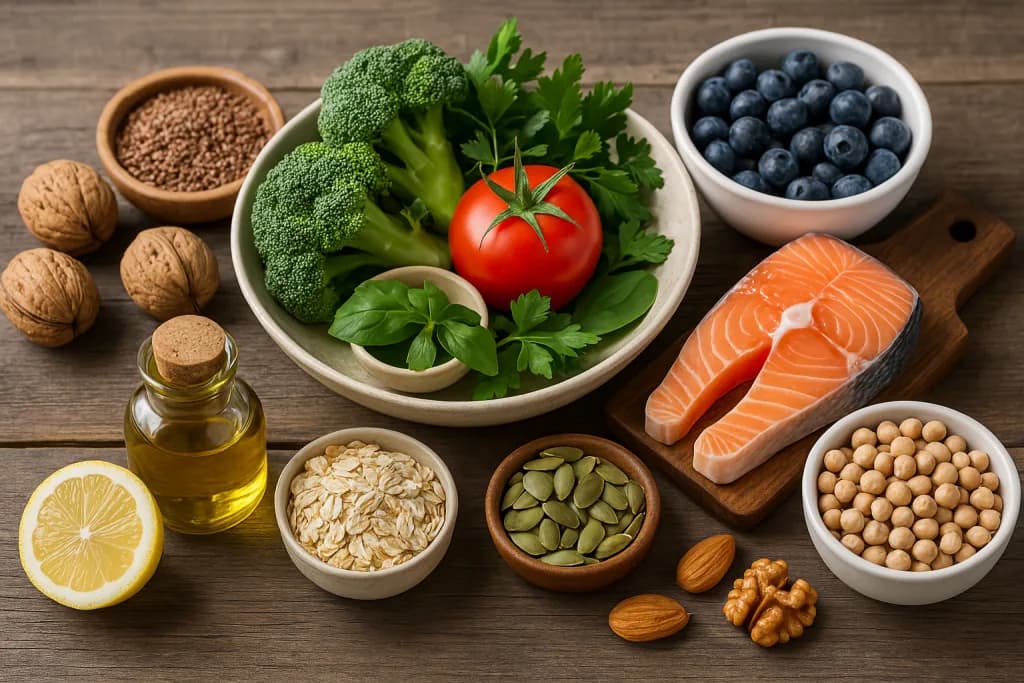
Prioritize natural, minimally processed foods. Vegetables, fruits, legumes, and nuts deliver exactly the combination of nutrients and bioactive compounds your body needs. Be cautious with heavily processed products: industrial processing strips away important enzymes and vitamins, and often introduces additives that can harm your health.
| Whole Foods | Processed Products | |
|---|---|---|
| Processing | Natural, unprocessed or minimally processed | Industrially heavily processed |
| Nutrient density | Rich in vital nutrients | Low in vital nutrients |
| Additives | None or very few | Often loaded with additives |
How Targeted Nutrition Supports Healthy Veins
Your veins benefit directly from optimal nutrition. Several factors play a key role:
Weight Management and Digestion
A healthy body weight significantly reduces pressure on the veins. Read more: Does obesity affect heavy legs? Focus on a fiber-rich diet that supports digestion and takes the load off your venous system.
Omega-3 Fatty Acids for Stronger Veins
Omega-3 fatty acids strengthen vein cell walls, enabling better nutrient absorption and more efficient waste removal. The key types:
- EPA and DHA: Found in fatty cold-water fish and algae
- ALA (alpha-linolenic acid): Abundant in high-quality plant oils (flaxseed, hemp, or rapeseed oil)
Since the body cannot produce omega-3s on its own, regular dietary intake is essential.
Supporting Healthy Blood Flow
To protect your veins optimally, maintaining good blood fluidity is crucial:
- Drink enough water: Water keeps blood thin and flowing. Avoid heavily sweetened beverages.
- Limit salt intake: Salt binds water in the body and thickens the blood. Avoid high-sodium processed foods like processed cheese or cured meats.
- Antioxidants: Vitamins C, E, and D, along with selenium and zinc, prevent blood thickening caused by free radicals. Eat fruits and vegetables regularly to ensure adequate intake.
Plant-based helpers like rutin and sweet clover can also support vein health.
Improving Wound Healing for Vein Conditions
People with vein problems often struggle with poor wound healing. These nutrients help specifically:
- Anti-inflammatory: Zinc (in protein-rich foods), magnesium (in seeds and kernels), vitamin D (consider supplementation in winter months)
- Cell renewal: Vitamin B12 (in animal products, spinach, sauerkraut), phosphorus (widely available), biotin (in oats, mushrooms, soybeans)
The Bottom Line
A healthy diet has a measurably positive impact on your vein health. By consciously choosing the right foods, you can manage your weight, promote cell health, improve blood fluidity, and support wound healing. Use these simple, effective nutritional strategies to keep your veins strong for the long term.
For more everyday tips on managing heavy legs, check out our guide: What to do about heavy legs
Your Next Step
Heavy, tired, or swollen legs? Take the free LEVANA Leg Check™ to get a structured assessment of your symptoms, no diagnosis, no cost. It helps you judge whether to have your legs checked by a doctor.
This article is for informational purposes only and does not replace medical advice.
Carefully researched by the LEVANA editorial team, supported by our advisory board for movement, nutrition and leg wellness. Meet the advisory board.