

Spider Veins: Cosmetic Issue or Early Warning Sign?
Are spider veins harmless or a sign of vein disease? Learn the real causes, when to act, and how to protect your vein health.
On this page
- Key Takeaways
- What Are Spider Veins?
- Symptoms: Are Spider Veins More Than a Visual Problem?
- Spider Veins vs. Varicose Veins
- What Causes Spider Veins?
- How Are Spider Veins Diagnosed?
- What Happens If Spider Veins Go Untreated?
- Treatment Options for Spider Veins
- Home Remedies and Daily Tips for Vein Health
- How to Prevent Spider Veins
- Common Myths About Spider Veins
- Frequently Asked Questions
- The Bottom Line
- Your Next Step
Many people dismiss the small, bluish-red lines on their legs as nothing more than a cosmetic nuisance. They appear as fine, web-like patterns just beneath the skin. But is it really just an aesthetic concern, or could spider veins be telling you something more important about your health?
Here's a striking fact: Around 80% of adults experience some form of vein problem. You're not alone, and the good news is that with the right prevention and care, you can actively strengthen your vein health and avoid complications down the road.
Key Takeaways
- Spider veins are dilated capillaries visible under the skin, often an early form of chronic venous weakness.
- They're usually cosmetic, but can signal that your vein function is compromised, especially if accompanied by heaviness, itching, or swelling.
- Key risk factors include genetics, hormonal changes, sedentary lifestyle, smoking, and aging.
- Left untreated, spider veins can progress to varicose veins, chronic venous insufficiency, or skin changes.
- Treatment options like sclerotherapy and laser therapy are effective, and simple lifestyle changes can slow progression.
What Are Spider Veins?
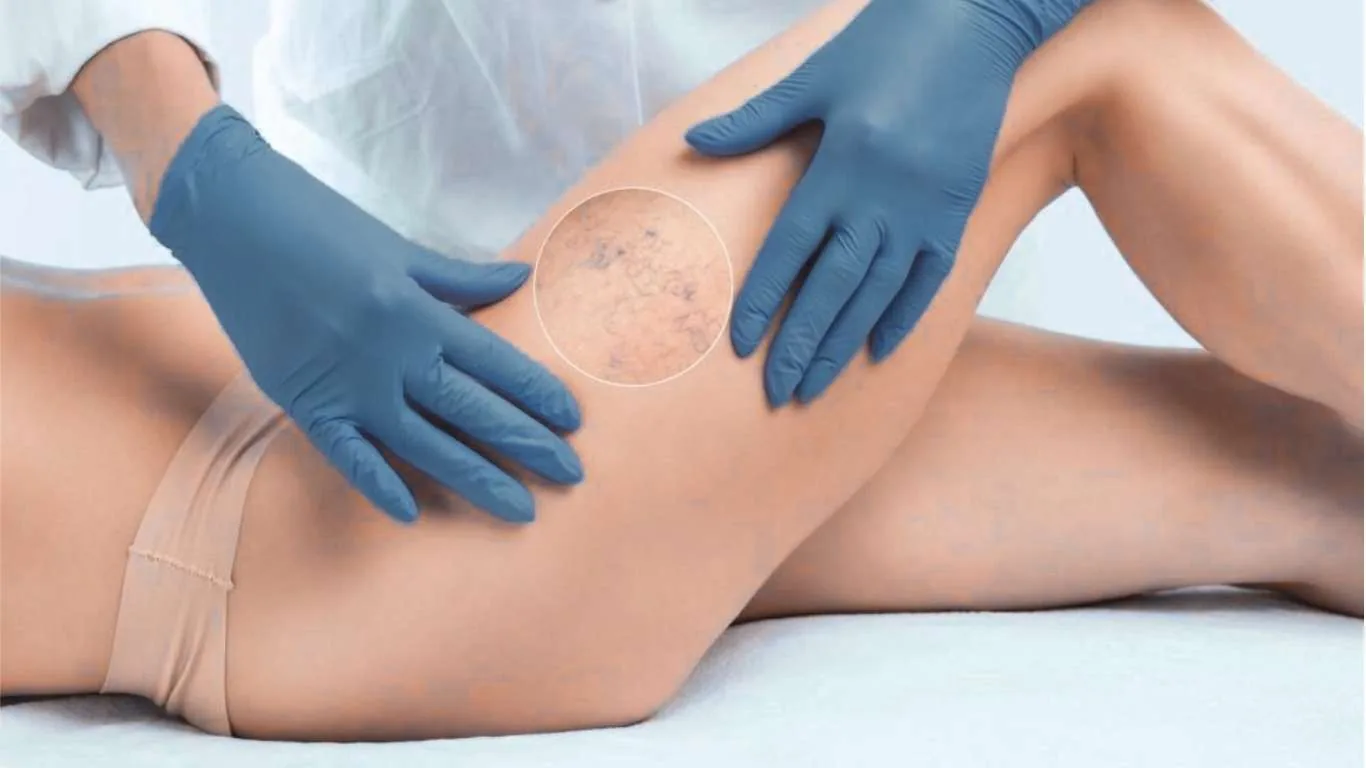
Spider veins are small, dilated capillaries and veins that become visible just beneath the skin surface. They belong to the group of superficial venous disorders and are considered an early form of chronic venous weakness. Sometimes they're purely cosmetic. But in many cases, they signal that vein function is impaired.
They most commonly appear on the legs but can also develop on the face or arms. The fine, bluish-red branching patterns are often perceived as bothersome from an aesthetic standpoint, but they shouldn't simply be ignored.
Symptoms: Are Spider Veins More Than a Visual Problem?
Not everyone with spider veins experiences physical symptoms. But many people notice:
- A feeling of heavy, tired, or burning legs, especially after prolonged standing or sitting.
- Itching or tingling at the affected skin area.
- An uncomfortable tightness or pressure in the legs.
- Occasional mild pain along the dilated veins.
These symptoms develop when the vein valves aren't functioning properly and blood isn't returning efficiently. This can overload the small vessels. Learn more about heavy legs and their causes in our detailed guide.
Spider Veins vs. Varicose Veins
Many people confuse spider veins with varicose veins. Here are the key differences:
| Feature | Spider Veins | Varicose Veins |
|---|---|---|
| Size & location | Very small, superficial | Larger, usually deeper |
| Appearance | Blue-red, web-like, visible | Thick, twisted, protruding |
| Medical relevance | Mostly cosmetic, few symptoms | Medically significant, often painful |
| Symptoms | Mild or none | Frequently pain, swelling |
| Potential complications | Rare | Yes, skin changes, inflammation |
Important: spider veins can be a warning sign for developing venous weakness and may progress to varicose veins over time. That's why it's worth taking changes seriously and seeking medical evaluation if needed. For a detailed comparison, see our post on spider veins vs. varicose veins.
What Causes Spider Veins?
Spider veins develop through several factors that often interact:
Genetic Predisposition
One of the primary causes is genetics. If spider veins, varicose veins, or other venous conditions run in your family, your risk is higher. This is due to inherited weakness in connective tissue or vein walls, which affects the elasticity and stability of blood vessels.
Hormonal Changes
Hormones play a decisive role in spider vein development, particularly in women. Estrogen can relax vein walls and increase their stretchability, raising the risk. Key life phases include:
- Pregnancy: Increased blood flow and pressure from the growing uterus on pelvic veins, combined with hormonal changes, promote spider vein formation.
- Oral contraceptives: Hormone-containing birth control pills can have similar effects on veins.
- Menopause: Hormonal shifts during menopause often lead to increased spider veins.
Lifestyle
Your daily habits have a significant impact on vein health:
- Sedentary behavior: Prolonged sitting or standing impedes natural blood flow in the legs. The muscle pump, which pushes blood back to the heart, isn't sufficiently activated, leading to blood pooling. Regular movement promotes circulation and strengthens the veins.
- Smoking: Nicotine damages blood vessels and impairs their elasticity. It narrows arteries and promotes deposits, further hindering circulation.
- Excess weight: Extra weight increases pressure on leg veins, which can strain vein valves and promote both spider veins and varicose veins.
Aging
With age, blood vessels, like all tissues, lose elasticity and strength. Vein walls weaken, and vein valves can no longer function as effectively. This makes it easier for blood to pool in superficial veins, making spider veins more visible.
The interplay of these factors is complex. Often, multiple causes contribute simultaneously. A healthy lifestyle and, where appropriate, medical consultation can help minimize risk and relieve symptoms.
How Are Spider Veins Diagnosed?
If you're unsure whether your spider veins are harmless or indicate developing venous weakness, consult a vein specialist (phlebologist). Diagnosis typically involves:
- Physical examination: Visual inspection and palpation of affected veins.
- Ultrasound (duplex sonography): This shows how blood flows through the veins and whether the vein valves still close properly.
- Risk factor assessment: Family history, lifestyle habits, and symptoms are evaluated.
A proper diagnosis helps determine the right treatment and prevent complications.
What Happens If Spider Veins Go Untreated?
Spider veins themselves are rarely dangerous. But without action, they can become early symptoms of serious vein disease:
- Heavy, tired legs
- Water retention (edema)
- Skin changes, discoloration, thickening
- Development of varicose veins
- Chronic venous insufficiency (CVI)
- In the worst case: venous leg ulcers (ulcus cruris)
The earlier you act, the better you can prevent complications.
Treatment Options for Spider Veins
The right treatment depends on the extent of the spider veins and your personal goals.
Medical and cosmetic procedures:
- Sclerotherapy (injection treatment): The most common method, a medication is injected into the spider veins, sealing the vessels and causing them to fade over time.
- Laser therapy: Particularly gentle and well-suited for very small vessels. Laser light closes the veins from within.
- Radiofrequency therapy: Heat-based therapy that seals affected vessels.
Supportive measures:
- Compression stockings: They improve blood return and relieve the veins.
- Medical evaluation before cosmetic treatment: Important to identify any underlying causes.
Home Remedies and Daily Tips for Vein Health
Simple changes can make a real difference:
- Regular exercise: Walking, cycling, swimming, or targeted vein exercises promote circulation.
- Elevate your legs: Supports blood flow back to the heart and relieves the veins.
- Contrast showers and hydrotherapy: Alternating warm and cold water stimulates the blood vessels.
- Healthy diet: Drink plenty of water, eat fiber-rich foods with fruits and vegetables, and maintain a healthy weight.
- Quit smoking: Smoking worsens vascular health.
- Weight management: Helps reduce pressure on leg veins.
How to Prevent Spider Veins
You can lower your risk of developing or worsening spider veins through conscious lifestyle choices:
- Stay active despite desk work: Take intentional breaks, walk around briefly, stretch your legs.
- Wear compression stockings: Especially helpful during travel, prolonged standing, or pregnancy.
- Avoid overheating: Saunas, hot baths, and intense sun exposure can worsen vein problems.
Common Myths About Spider Veins
- "Only older people get spider veins." False. Young women are frequently affected, particularly due to hormonal changes.
- "Creams can make spider veins disappear." False. Creams may improve skin appearance but cannot remove veins.
- "If you have spider veins, there's nothing you can do." Not true. Exercise, medical treatments, and prevention can make a significant difference.
Frequently Asked Questions
Are spider veins dangerous? In most cases, no, but they can indicate developing venous weakness.
Can spider veins be completely removed? Yes. Sclerotherapy or laser treatment can largely eliminate visible vessels.
Does insurance cover treatment? Typically not, since spider veins are considered cosmetic. Exceptions apply when there are significant symptoms or medical necessity.
The Bottom Line
Spider veins aren't just a cosmetic concern, they can be an important early warning sign for vein disease. Acting early protects your veins and helps prevent serious complications like varicose veins or chronic venous insufficiency.
Start with small changes today, your legs will thank you.
Your Next Step
Heavy, tired, or swollen legs? Take the free LEVANA Leg Check™ to get a structured assessment of your symptoms, no diagnosis, no cost. It helps you judge whether to have your legs checked by a doctor.
This article is for informational purposes only and does not replace medical advice.
Carefully researched by the LEVANA editorial team, supported by our advisory board for movement, nutrition and leg wellness. Meet the advisory board.