

Sudden Phlebedema: What It Is and What to Do
Sudden leg swelling? Learn what phlebedema is, what causes it, when to see a doctor, and how to manage symptoms effectively.
On this page
When swelling appears in your legs seemingly out of nowhere, it can be alarming. A phlebedema is swelling caused by venous insufficiency, when your veins can't efficiently return blood from the legs to the heart. The good news: immediate measures like elevating your legs, wearing compression stockings, and staying hydrated can help relieve symptoms while you seek medical advice.
Key Takeaways
- Phlebedema is leg swelling caused by poor venous return, not lymphatic dysfunction
- Sudden onset can result from prolonged sitting/standing, aging, weight gain, or valve dysfunction
- Immediate relief comes from elevation, compression, movement, and hydration
- It's different from lymphedema, lipedema, and DVT, proper diagnosis matters
- See a doctor promptly if swelling is sudden, one-sided, painful, or accompanied by skin changes
What Is Phlebedema?
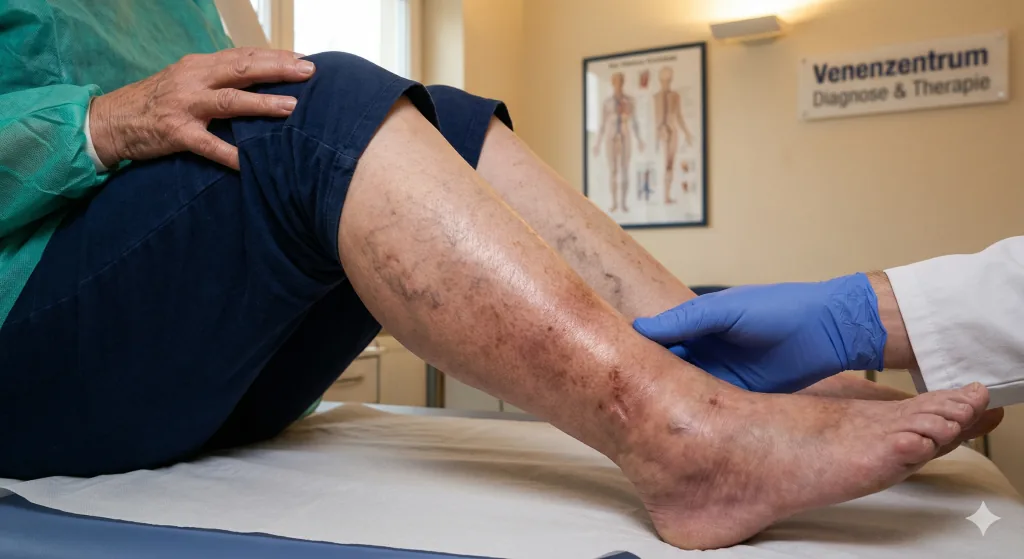
A phlebedema can appear suddenly and is characterized by swelling in the legs. This swelling occurs because the vein valves, which regulate blood flow through your veins, aren't functioning properly. Common symptoms include a feeling of heaviness, tension, and pain. If you're unsure whether you have a phlebedema, see a doctor promptly.
Immediate Steps for Phlebedema
Here's what you can do right now to manage symptoms:
- Elevate your legs: Raise your legs above heart level several times daily to reduce swelling.
- Wear compression stockings: These improve blood flow and help reduce swelling.
- Stay active: Regular walks or gentle exercises promote circulation.
- Hydrate well: Adequate water intake supports overall venous health.
- Activate your muscles: Foot and calf exercises keep the muscle pump working.
- Change positions often: Avoid sitting or standing in one position for extended periods.
- Stretch gently: Light stretches help relax tense muscles and improve flow.
Symptom Classification Guide
Classifying your symptoms can help you understand what you're dealing with:
| Symptom | Possible Cause |
|---|---|
| Cramping | Often muscular in origin |
| Burning/tingling | May be neurological |
| Heavy/pulling + swelling | Likely venous |
| Pain at rest | May indicate PAD |
| Sudden one-sided swelling | Emergency, may indicate DVT |
Red Flags: When to See a Doctor Immediately
These warning signs require urgent medical attention:
- Sudden severe swelling
- Intense pain
- Skin discoloration
- Shortness of breath
- Worsening symptoms despite self-care
Long-Term Management Strategies
To manage phlebedema sustainably:
- Regular physical activity: Make movement part of your daily routine, find suitable exercises here.
- Healthy eating: Focus on a vein-healthy diet to support weight management.
- Ongoing medical care: Schedule regular check-ups with a vein specialist to monitor your condition.
Differential Diagnosis: Phlebedema vs. Other Conditions
It's important to distinguish phlebedema from similar conditions:
- Lymphedema: Involves the lymphatic system and produces a different type of swelling, often with skin changes.
- Lipedema: A fat distribution disorder that typically causes symmetrical leg swelling with pain and bruising. Learn more: Lipedema, lymphedema, and obesity, understanding the differences.
- Chronic venous insufficiency: A long-term condition that can lead to phlebedema, but also involves skin changes and varicose veins.
Related Resources
- Varicose veins: causes and treatment
- Lymphedema: symptoms and therapy
- Lipedema: recognition and action
- Heavy legs: understanding the causes
- Swollen leg, what really helps
FAQs About Phlebedema
What causes a phlebedema to appear suddenly?
A sudden phlebedema can result from malfunctioning vein valves, causing blood and fluid to back up. Common triggers include prolonged sitting or standing, excess weight, and genetic predisposition.
What symptoms indicate a sudden phlebedema?
Typical symptoms include leg swelling, uncomfortable tension, heaviness, and pain. These symptoms often worsen throughout the day and should be taken seriously.
How can I prevent phlebedema?
Regular movement and elevating your legs can help prevent phlebedema. Make sure to drink enough fluids and maintain a healthy weight.
What treatments are effective for phlebedema?
Effective treatments include compression therapy, regular exercise, and leg elevation. These measures can relieve symptoms and improve circulation. In some cases, vein surgery may be considered.
When should I see a doctor about sudden swelling?
See a doctor if swelling persists or symptoms worsen. For sudden severe swelling or intense pain, seek immediate medical attention.
How is phlebedema diagnosed?
Diagnosis involves a medical history review and physical examination. A Doppler ultrasound can assess vein function and rule out other conditions.
What should I do if I suddenly develop phlebedema?
Start with regular movement and wear compression stockings to ease symptoms. Elevate your legs frequently and stay well hydrated. If symptoms persist, consult a physician.
Your Next Step
Take the free LEVANA Leg Check™ to get a structured assessment of your symptoms, no diagnosis, no cost, just clarity on whether to have your legs checked by a doctor.
Disclaimer
This article is for informational purposes only and does not replace professional medical advice. For health concerns or questions about diagnosis or treatment, always consult your physician or a qualified healthcare provider. LEVANA assumes no liability for any harm resulting from the use of information provided in this article.
Carefully researched by the LEVANA editorial team, supported by our advisory board for movement, nutrition and leg wellness. Meet the advisory board.