

How to Prevent Varicose Veins: 5 Evidence-Based Tips
Prevent varicose veins with 5 proven strategies: daily movement, nutrition, compression, leg elevation, and contrast showers.
On this page
Varicose veins aren't just a cosmetic concern, they can cause pain, swelling, and lead to serious vascular complications.
The good news: with the right daily habits, you can often prevent varicose veins or significantly slow their progression. Here are five simple but effective strategies backed by vascular health science.
Key Takeaways
- Varicose veins develop when vein valves weaken and blood pools in the legs, risk factors include genetics, hormones, inactivity, and excess weight.
- Just 30 minutes of daily walking or calf exercises activates your muscle pump and supports blood return to the heart.
- An anti-inflammatory diet rich in fruits, vegetables, and whole grains strengthens vein walls and helps manage weight.
- Compression stockings, leg elevation, and contrast showers are practical everyday tools that genuinely improve vein health.
- Early signs like spider veins, persistent heaviness, or evening ankle swelling should prompt a medical evaluation.
Why Do Varicose Veins Develop?
Causes at a Glance
Varicose veins form when the valves inside your leg veins stop closing properly, allowing blood to flow backward and pool. This causes veins to stretch and become visibly enlarged. Common causes include:
- Genetic predisposition
- Hormonal changes (e.g., menopause)
- Lack of physical activity
- Prolonged sitting or standing
- Excess body weight
Risk Factors for Women
Hormonal shifts can weaken vein walls. Additional risk factors include pregnancy, family history, sedentary work, and a low-fiber diet.
5 Tips to Prevent Varicose Veins
1. Daily Movement (Walking, Vein Exercises)
Regular movement is the single most important thing you can do for your veins. A 30-minute daily walk or simple exercises like heel raises and toe stands activate the calf muscle pump, your body's built-in mechanism for pushing blood back to the heart.
Tip: Start each morning with 5 minutes of vein exercises. It's a small routine with a big impact. At LEVANA, we offer live online training with our trainer Caro every other Wednesday at 7 PM. Sign up and we'll send you the access link. More exercises: Vein Exercise Guide.
2. Balanced Nutrition and Weight Management
Excess weight puts additional pressure on your leg veins. A fiber-rich, anti-inflammatory diet with plenty of fruits, vegetables, and whole grains helps regulate weight and strengthen blood vessels. Plant-based vein supplements like rutin and sweet clover can provide additional support.
3. Elevate Your Legs Regularly
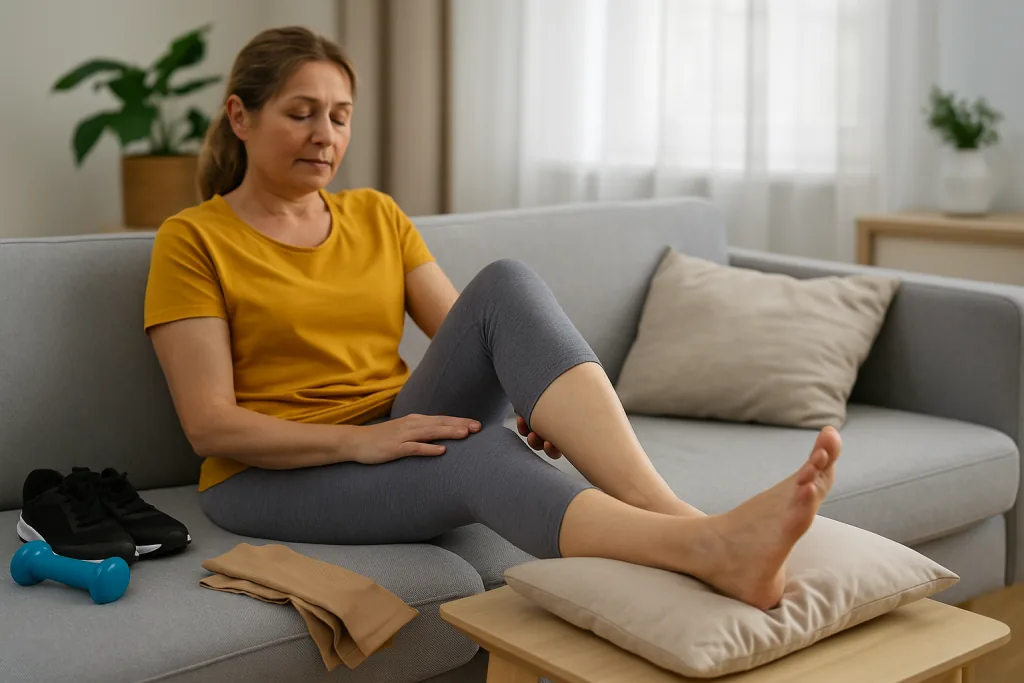
Elevating your legs several times a day relieves venous pressure and promotes blood flow back to the heart. Ideal: elevate your feet above heart level for 10–15 minutes, for example, on the couch with pillows.
4. Use Compression Stockings
Medical compression stockings apply gentle pressure that supports circulation and helps prevent blood pooling. They're especially useful during long periods of standing, travel, or when you have known risk factors. Modern models are comfortable and look good. Important: get properly measured at a medical supply store or pharmacy while your legs are in a rested state. More details: Compression Stockings in Summer.
5. Contrast Showers to Strengthen Veins
Alternating warm and cold water stimulates circulation and trains your vein walls. Start with warm water, then switch to cold, always moving from bottom to top. It's an invigorating morning ritual that takes just a few minutes.
When Should You See a Doctor?
Don't ignore early warning signs like:
- Spider veins
- Persistent heaviness in the legs
- Ankle swelling by the end of the day
- Pulling pain or feelings of tension
Your doctor can assess vein function using Doppler or duplex ultrasound and recommend targeted treatments like compression therapy or sclerotherapy. If you're unsure whether you're dealing with spider veins or varicose veins, our comparison article can help.
From one of our community members (Ursula, 54): "I thought spider veins were just a cosmetic issue for years. Thanks to LEVANA, I learned how important early detection is, and what I can do myself."
The Bigger Picture
Varicose veins can often be avoided, or at least slowed, with small daily changes. Movement, nutrition, and mindful habits throughout the day go a long way.
More on Vein Health
- Chronic Venous Insufficiency: Better Living Through Early Detection
- How Your Veins Work
- Nutrition for Healthy Veins
- Heavy Legs in Summer
- Swollen Legs, Causes, Symptoms & Solutions
Frequently Asked Questions
What really helps against varicose veins?
Movement, compression, balanced nutrition, leg elevation, and cold showers are all proven strategies. Early prevention is key.
Can varicose veins be completely prevented?
Not always, especially with strong genetic factors. But a vein-friendly lifestyle significantly reduces your risk.
Aren't compression stockings uncomfortable in summer?
Modern models are breathable and comfortable even in warm weather. Some even offer a cooling effect. Read more: Compression Stockings in Summer.
When is surgery necessary?
Surgery or sclerotherapy (sclerotherapy) is only needed for severe symptoms or complications, your doctor will advise you individually.
Your Next Step
Take the free LEVANA Leg Check™ to get a structured assessment of your symptoms, no diagnosis, no cost, just clarity.
Disclaimer
This article is for informational purposes only and does not replace medical advice. If you have health concerns, always consult a qualified healthcare professional.
Carefully researched by the LEVANA editorial team, supported by our advisory board for movement, nutrition and leg wellness. Meet the advisory board.